


Understanding the Everest Base Camp trek cost is one of the most important steps when planning a trip to the Himalayas. Although Everest is a dream destination for many travelers, budgeting correctly makes the experience smoother and stress-free. Moreover, costs can vary widely depending on travel style, duration, comfort level, and added services. Therefore, knowing what you are paying for helps you choose the right option.
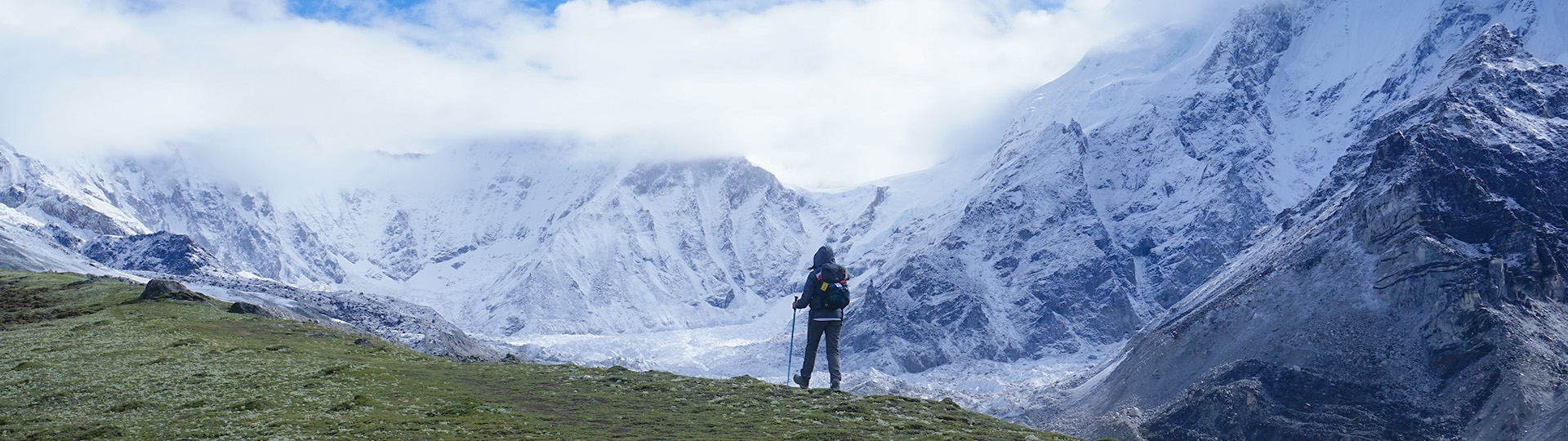
Additionally, the Everest region now offers flexible trekking styles. Travelers can choose luxury lodges, short itineraries, or senior-friendly options, so the trek no longer suits only hardcore adventurers. Many also combine the trek with Nepal adventure tour packages, helicopter services, or easy treks. As a result, the overall cost depends on how travelers plan and customize their journey.
This guide breaks down the Everest Base Camp trek cost in detail and links it to related experiences across Nepal. By the end, you will know how to budget effectively and get the best value for your trip.
The average Everest Base Camp trek cost ranges from USD 1,200 to USD 1,600 per person for a standard trek. However, prices can be lower or higher depending on services included. Generally, this cost covers permits, domestic flights, accommodation, meals, a guide, and porters.
In contrast, budget trekkers may spend around USD 900 if they manage logistics independently. Meanwhile, luxury trekkers may spend over USD 3,000. Therefore, the cost is flexible and adjustable.
Moreover, seasonal demand also affects pricing. Spring and autumn are peak seasons, so prices are slightly higher. On the other hand, winter and monsoon seasons offer cheaper rates but come with weather challenges.
To understand the real value, it is important to know what the Everest Base Camp trek cost usually includes. Most guided packages cover major essentials. These services ensure safety and convenience throughout the trek.
Typically, inclusions are Lukla flights, trekking permits, accommodation in teahouses, and three meals a day. Additionally, a licensed guide and porter service is included in most packages. This reduces physical strain and improves safety.

However, personal expenses such as drinks, snacks, Wi-Fi, hot showers, and tips are often excluded. Therefore, travelers should carry extra cash for these items.
Permits are mandatory for trekking in the Everest region. These include the Sagarmatha National Park Permit and the Khumbu Pasang Lhamu Rural Municipality Permit. Together, they cost around USD 50 per person.
Although this is a small portion of the total cost, permits are essential. Without them, trekking is not allowed. Therefore, permit fees are a fixed expense.
Flights from Kathmandu to Lukla are another major cost component. A round-trip flight usually costs between USD 350 and USD 450. During peak seasons, flights may operate from Ramechhap instead of Kathmandu.
Because Lukla flights are weather-dependent, delays are common. Therefore, having buffer days is important when planning.
Accommodation on the Everest Base Camp trek is mostly in teahouses. Rooms are basic but comfortable. The cost increases as altitude rises.
Meals are reasonably priced at lower elevations. However, food becomes more expensive higher up because supplies are carried by porters or yaks. As a result, food costs form a significant part of daily expenses.
The Everest Base Camp luxury trek offers a premium experience with higher comfort. The cost for a luxury trek usually ranges from USD 3,000 to USD 5,000 per person.
This price includes high-end lodges, better meals, private rooms, and sometimes heated facilities. Moreover, luxury treks often include helicopter transfers, which save time and reduce physical strain.
Although expensive, luxury trekking is ideal for travelers who want comfort without compromising on experience. Therefore, it is popular among professionals, couples, and older travelers.
A short Everest Base Camp trek is designed for travelers with limited time. These treks usually last 8 to 10 days. Often, they include a helicopter return from Gorakshep or Base Camp.
Because of helicopter use, the cost is higher than a standard trek. Prices usually range from USD 2,000 to USD 3,000. However, the time saved and comfort added make it attractive.
Moreover, short treks reduce physical exhaustion. Therefore, they are suitable for people who want highlights without long walking days.
Some travelers consider trekking independently to reduce the Everest Base Camp trek cost. While this is possible, it comes with challenges. Managing flights, permits, accommodation, and navigation requires experience.
Independent trekkers may save money, but safety risks increase. Additionally, language barriers and weather-related issues can complicate plans. Therefore, guided treks offer better value for most travelers.
Guided packages also support local employment. As a result, they contribute positively to the local economy.
Many travelers combine trekking with Nepal adventure tour packages, which include cultural tours, jungle safaris, rafting, or helicopter flights.
Although combining activities increases the total cost, it also adds value. For example, travelers gain cultural insight while sightseeing in Kathmandu. Similarly, Pokhara activities allow them to relax after trekking.
Therefore, adventure packages help create a balanced itinerary. First-time visitors to Nepal especially benefit from these combined experiences.
Nepal tours for seniors have become more common in recent years. Seniors may not always complete the full trek, but alternatives exist.
Luxury treks with extra acclimatization days are suitable for fit seniors. Additionally, helicopter tours to Everest viewpoints are excellent options. These experiences reduce walking while still offering stunning views.
Although costs are higher, comfort and safety are prioritized. Therefore, seniors can enjoy the Everest region without excessive strain.
Not everyone wants a challenging trek. Easy trekking in Nepal includes routes around Namche Bazaar, Ghorepani, or Langtang. These treks cost less and require less fitness.
Compared to the Everest Base Camp trek cost, easy treks are cheaper and shorter. However, they still offer scenic beauty and cultural experiences.
Therefore, beginners or families may prefer easy treks before attempting Everest.
Helicopter services significantly affect overall travel costs. While Everest trekkers may use helicopters for return journeys, others opt for scenic flights elsewhere.
For example, the Kathmandu to Muktinath helicopter fare ranges between USD 4,500 and USD 5,500 per charter. Although unrelated to Everest trekking, such services are often added to Nepal itineraries.
Therefore, helicopter options increase flexibility but require higher budgets.
Season plays a major role in determining the Everest Base Camp trek cost. Spring and autumn are the best seasons due to stable weather and clear views.
However, demand is high during these months. As a result, prices for flights, guides, and accommodation increase slightly.
In contrast, winter and monsoon seasons are cheaper. Yet, weather risks and flight delays are common. Therefore, cost savings must be weighed against comfort and safety.
Planning ahead helps control expenses. Booking early secures better prices. Additionally, traveling in groups reduces per-person costs.
Choosing standard packages instead of luxury options also lowers expenses. However, do not compromise on safety or acclimatization.
Moreover, carrying personal gear reduces rental costs. As a result, smart planning ensures good value without sacrificing experience.
Despite the expense, the Everest Base Camp trek offers unmatched value. You experience world-class scenery, unique culture, and personal achievement.
Compared to other global adventure destinations, Everest provides excellent value for the experience offered. Moreover, flexible options make it accessible to different travelers.
In conclusion, the Everest Base Camp trek cost depends on your choices. Whether you choose luxury, short itineraries, or standard trekking, careful planning ensures a rewarding journey. With the right balance of budget and comfort, the dream of standing beneath Mount Everest becomes achievable.